Home/The Weeks/Week 12

Movement V · 2 Samuel · Week 12 · 2 Samuel 1–6

King in Jerusalem & the Ark

The crown that has hung over this whole story finally comes to rest on the shepherd God chose. David unites the fractured tribes, takes a city that belongs to no one, and dances home before the ark with all his might.

I · The Reign

An honest portrait of a great man

Saul is dead, and the crown finally comes to David. Second Samuel is the reign of David, and it will split cleanly down the middle on a single sin. But that shadow is still ahead. These first chapters are a sunrise: David unites the fractured tribes, takes Jerusalem, and brings the ark home. What stands out about the book is its honesty. This is Israel's official record of its greatest king, and it refuses to airbrush him. The point of David was never that he was good enough. It was that even Israel's best king needed a better one.

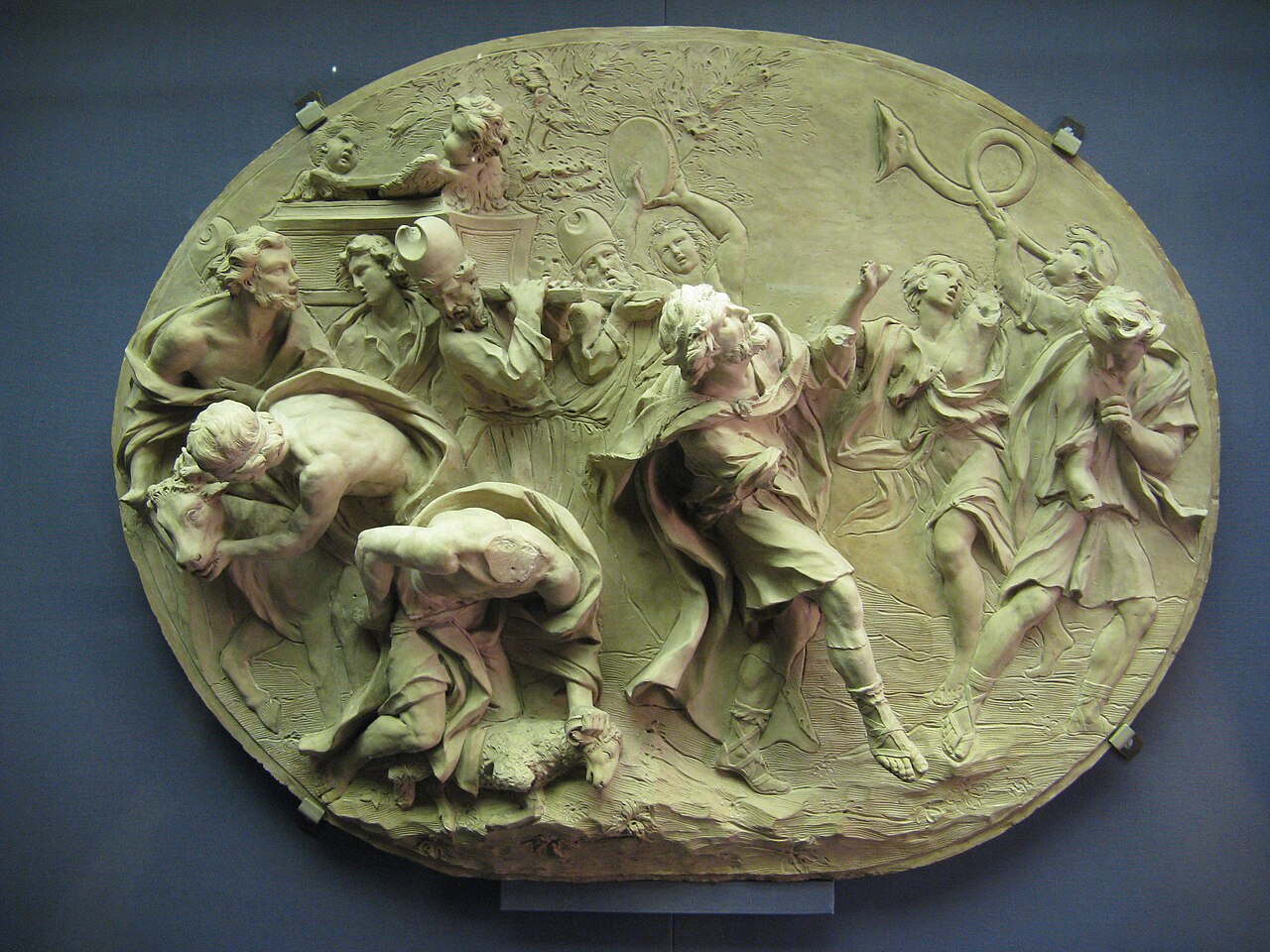
An illustration of King David dancing with all his might before the ark of the covenant as it is carried into Jerusalem.
Worship that costs him his dignity. David dances before the ark as it comes home to Jerusalem (2 Samuel 6). The king throws off his royal restraint and leaps before the Lord — undignified, and glad to be. Victoria and Albert Museum, photo CC BY-SA 3.0, via Wikimedia Commons.
Timeframe
David reigned about forty years, roughly 1010–970 BC; seven over Judah, then thirty-three over all Israel.
This week
2 Samuel 1–6: the lament for Saul, the civil war, Jerusalem taken, and the ark brought up.
Big idea
A king who rises with clean hands, and worship that costs him his dignity.
Watch for
Jerusalem, which becomes the Bible's shorthand for the dwelling of God with His people.

II · Chapters 1–6

The rise of the king

2 Samuel 1–4

King at last, but slowly, and without blood

David's first act on hearing of Saul's death is not celebration but a beautiful lament for the king who hunted him and for his friend Jonathan. He is anointed over Judah at Hebron, but the north clings to Saul's surviving son, and a long, grinding civil war follows. What stands out is how David rises: not by seizing power but by outlasting it, refusing again and again to advance his own throne through assassination, even executing the men who murdered his rival expecting a reward. The crown comes to him with clean hands, on God's timetable, not his own.

2 Samuel 5

Jerusalem becomes the City of David

Finally anointed over all Israel, David captures the Jebusite stronghold of Jerusalem, a neutral city belonging to no tribe, and makes it his capital. It is a stroke of political genius: a center that unites jealous north and south because it belongs to none of them, only to the king. But it is more than politics. From this city God's house will rise, here His King will reign, and "Jerusalem" and "Zion" will become, for the rest of the Bible, shorthand for the dwelling place of God with His people, all the way to the New Jerusalem at the end of Revelation.

2 Samuel 6

The ark comes home, with a warning attached

David brings the ark up to Jerusalem, and the first attempt ends in horror: Uzzah reaches out to steady it on its cart and is struck dead. It feels harsh until you realize the ark was being moved on a Philistine-style cart instead of carried by the priests as God commanded, and that the holiness of God is not a formality you can improvise around. When they do it rightly, David dances before the Lord "with all his might," stripped of his royal dignity, while his wife Michal watches from a window and despises him for it. The book quietly sides with the dancing king. Worship that costs you your pride is precisely the kind God receives.

People to Know

The king after God's heart

David
King after God's heart
  • TribeJudah
  • Reigned~40 years
  • First capitalHebron
  • New capitalJerusalem

"David danced before the LORD with all his might."2 Samuel 6:14

Lesson: David rose with clean hands and worshiped with abandon. He would rather lose his dignity than hold back before God.

For Discussion & Reflection

Study questions

Talk it through

  1. David rose to power by outlasting it rather than seizing it, refusing to advance himself through bloodshed. What does patient, clean-handed waiting look like in ambition today? Discuss
  2. The Uzzah episode reminds us the holiness of God is not a formality to improvise around. How do we hold reverence and intimacy together in worship? Discuss
  3. David danced before the ark "with all his might," and Michal despised him for it. Where does dignity or self-consciousness hold your own worship back? Discuss
  4. Jerusalem belonged to no tribe, only to the king, and became the meeting place of God and His people. What does that pattern hint at about where God dwells now? Discuss

Reflect quietly

  1. Would you be willing to look undignified for the sake of worshiping God with all your might? What is holding you back? Reflect
  2. David waited years, with clean hands, for what God had promised. Where are you being asked to wait rather than grab? Reflect

Next Week

Week 13 · The Davidic Covenant; Mephibosheth

God promises David a throne that will never end, and David seats a crippled heir of his enemy at the royal table. The center of the book, and the gospel in one scene. 2 Samuel 7–10.